
How Deep to Drill Borehole for Water SA: Understanding Drilling Depths
There are many misconceptions surrounding boreholes, which can make the drilling process seem more overwhelming than it actually is. How deep to drill borehole for water SA depends on several considerations, including the subsurface layers above a water table and the viability of the aquifer itself. We at Inyati Drilling and Mining are here to dispel any preconceived myths, giving you a better understanding of the process so that you know what to expect.
The Geology Behind How Deep to Drill Borehole for Water SA
How deep to drill borehole for water SA starts with our team gathering information on the geological formations underneath your property. Geophysical surveys accurately pinpoint aquifers, which can exist between the voids and cavities in sand and rocks, providing a clear picture of the water table. Knowing the geology assists us in determining potential yield and identifying highly permeable formations. When developed and managed responsibly, groundwater becomes a valuable and sustainable resource that benefits you for decades.
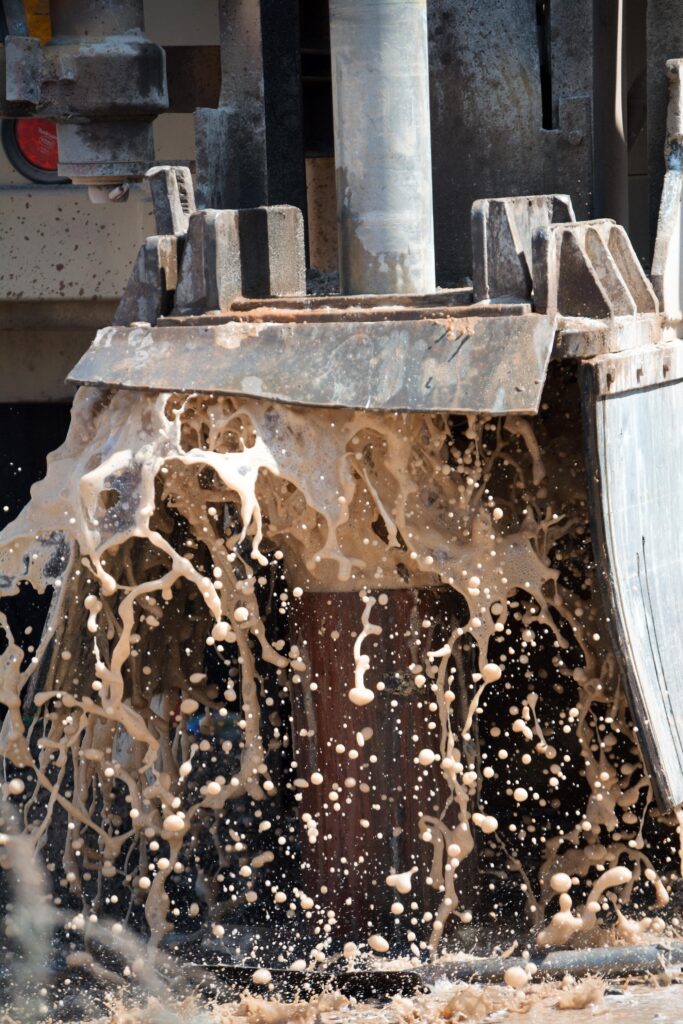
Drilling Depth Calculation
Drilling depth calculation is based on several factors, including your location and how much water you need based on usage. In South Africa, boreholes typically range between 30 metres and 150 metres plus deep, but as mentioned, it depends on the ground beneath your feet.
It’s a common misconception that the deeper you drill, the more water you will find, but that’s not how groundwater works. Because aquifers are controlled by geological conditions, the ideal drilling depth depends on the type of rock and soil beneath the surface. For example, if an aquifer is primarily sand, drilling stops as soon as solid bedrock is reached, as going any deeper won’t yield additional water. Every site has unique geological formations, which means each borehole must be carefully planned and mapped to reach the right depth.
Water Table Depth and Groundwater Quality
Another myth that we feel prudent to dispel is that your groundwater supply will be automatically drinkable. Not only does the geology control the depth, but it also has an impact on the quality of the water. Shallow boreholes are more likely to draw in surface runoff containing contaminants, and deeper boreholes might contain higher mineral levels depending on the surrounding geology. Should you be using your borehole to feed your entire home, getting it water tested before use will determine whether a filtration system needs to be installed.
Importance of Aquifer Recharge Rates
The borehole recharge rate is also an essential consideration. An independent water source is unsustainable if constant demand drains the aquifer faster than it can refill. Maintaining a continuous balance is imperative, ensuring the water pumped never outpaces the natural replenishment from the surrounding groundwater source.
Although there are still those who put their trust in water diviners, getting the development of your borehole off the ground scientifically through geo-mapping and geophysical surveys, and maintaining it through responsible water use, is more likely to secure the longevity of your water source.
Dependable Drilling Solutions
At Inyati Drilling and Mining, we use the latest drone technology at our disposal to survey the potential drilling site. We find that traditional survey methods are often inadequate, particularly when faced with inaccessible areas, whereas drones allow us to gather critical, real-time data, ensuring the success of your borehole from the start. How deep to drill borehole for water SA is better left up to the expertise of the company that endorses sustainable, responsible drilling practices, Inyati.